Cane Corso Common Health Concerns: Understanding Cane Corso Health Issues
When welcoming a Cane Corso into your home, understanding their health needs is essential. This breed is known for its strength, loyalty, and protective nature. However, like all breeds, Cane Corsos have specific health concerns that owners should be aware of to provide the best care possible. In this post, I will share practical information about common health issues, preventive care, and how to support your Cane Corso’s well-being throughout their life.
Cane Corso Common Health Concerns
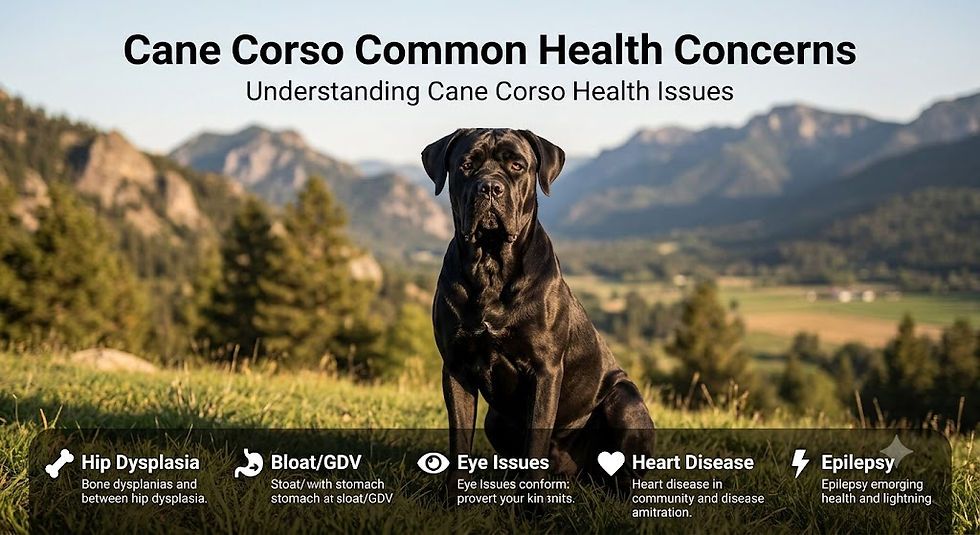
Cane Corsos are generally robust dogs, but they are prone to certain health problems. Knowing these issues helps in early detection and treatment, which can improve your dog’s quality of life. Here are some of the most common health concerns for this breed:
Hip Dysplasia: This is a genetic condition where the hip joint does not fit properly into the hip socket. It can cause pain and mobility problems. Regular vet check-ups and maintaining a healthy weight can reduce the risk.
Elbow Dysplasia: Similar to hip dysplasia, this affects the elbow joints and can lead to arthritis.
Bloat (Gastric Dilatation-Volvulus): A life-threatening condition where the stomach twists and fills with gas. Immediate veterinary care is critical. Feeding smaller meals and avoiding vigorous exercise after eating can help prevent bloat.
Heart Conditions: Some Cane Corsos may develop heart diseases such as cardiomyopathy. Regular heart screenings are recommended.
Eye Problems: Entropion (eyelids rolling inward) and ectropion (eyelids rolling outward) are common. These can cause irritation and may require surgery.
Demodectic Mange: A skin condition caused by mites, leading to hair loss and skin infections. It is more common in young or immunocompromised dogs.
Understanding these concerns allows you to watch for symptoms and seek veterinary advice promptly.
Preventive Care and Routine Health Checks
Prevention is always better than cure, especially with large breeds like the Cane Corso. Here are some practical steps to keep your dog healthy:
Regular Vet Visits: Schedule annual or bi-annual check-ups. Early detection of issues like hip dysplasia or heart problems can make a big difference.
Vaccinations and Parasite Control: Keep vaccinations up to date and use flea, tick, and worm preventatives as recommended.
Balanced Diet: Feed a high-quality diet appropriate for your dog’s age, size, and activity level. Avoid overfeeding to prevent obesity, which can worsen joint problems.
Exercise: Provide daily exercise to maintain muscle tone and joint health, but avoid excessive strain, especially in puppies.
Dental Care: Regular teeth brushing and dental check-ups help prevent oral diseases.
Grooming: Regular brushing keeps the coat healthy and allows you to check for skin issues or parasites.
By following these steps, you can reduce the risk of many health problems and ensure your Cane Corso thrives.
Recognizing Symptoms and When to Seek Help
Knowing the signs of health problems is crucial. Here are some symptoms that should prompt a visit to the vet:
Limping or difficulty moving
Swelling or pain in joints
Persistent coughing or difficulty breathing
Sudden bloating or a distended abdomen
Excessive scratching, hair loss, or skin sores
Changes in appetite or weight
Lethargy or unusual behavior
Early intervention can prevent minor issues from becoming serious. Keep a health journal to track any changes and share this information with your veterinarian.

Supporting Your Cane Corso’s Long-Term Health
Long-term health depends on consistent care and attention. Here are some additional tips to support your dog’s well-being:
Weight Management: Overweight dogs are more prone to joint problems and heart disease. Monitor your dog’s weight and adjust food and exercise accordingly.
Joint Supplements: Consider supplements like glucosamine and chondroitin after consulting your vet, especially for older dogs.
Mental Stimulation: Cane Corsos are intelligent and need mental challenges to stay happy and healthy. Training, puzzle toys, and socialization are important.
Safe Environment: Provide a comfortable living space with a soft bed and avoid slippery floors to protect joints.
Breeder Responsibility: Choose a reputable breeder who tests for genetic conditions and prioritizes health and temperament. This reduces the risk of inherited diseases.
By focusing on these areas, you help your Cane Corso live a longer, healthier life.
Building a Strong Bond Through Health Awareness
Understanding your Cane Corso’s health needs strengthens your relationship. When you are informed, you can make better decisions about diet, exercise, and medical care. This knowledge also helps you advocate for your dog’s needs with veterinarians and trainers.
If you want to learn more about cane corso health issues, reliable sources and experienced breeders can provide valuable guidance. Remember, every dog is unique, so tailor your care to your Cane Corso’s specific needs.
Taking the time to understand and address health concerns shows your commitment to your dog’s happiness and longevity. This approach aligns with the highest standards of responsible ownership and breeding.
By staying informed and proactive, you ensure your Cane Corso remains a strong, loving companion for years to come.


Comments